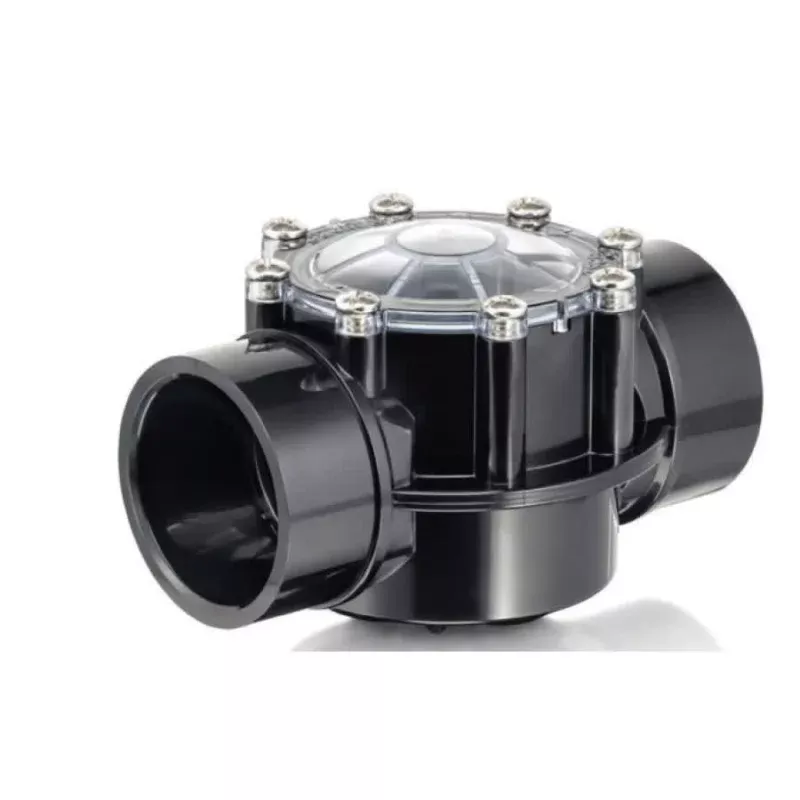
Hayward PSCV2S2 PSV Series Straight Check Valve 2″ Slip x 2-1/2″ Spigot (CPVC)
The Hayward PSCV2S2 is a genuine PSV Series straight check valve designed to prevent reverse flow in pool and spa plumbing. Its built with a durable CPVC body and lid for improved heat tolerance and long-term reliability on demanding equipment pads.
Key Features
- Prevents backflow to help protect heaters, chlorinators, and other equipment
- 2″ slip x 2-1/2″ spigot ends to accommodate common plumbing configurations
- CPVC construction for greater heat tolerance (helps reduce warping/leaks in high-heat environments)
- Clear removable top for easy inspection and service (no cutting plumbing for routine access)
- Designed for maximum flow efficiency with a typical pressure rating up to 50 PSI
Specs (Quick Reference)
- Part Number: PSCV2S2
- Valve Type: Straight (in-line) Check Valve
- Connections: 2″ Slip (Socket) x 2-1/2″ Spigot
- Body/Lid Material: CPVC
- Typical Working Pressure: Up to 50 PSI
- Color: Black/Gray (varies by run)
Common Uses
- After a heater to help reduce backflow through the heat exchanger
- On chlorinator/salt system plumbing to help prevent chemical backflow
- On raised spas, water features, and return lines to help prevent draining
- On suction/return equipment pad plumbing where one-way flow is required
Installation Notes
- Install in the correct direction of flow (follow the flow arrow on the valve body).
- Dry-fit plumbing first to confirm alignment and service clearance for the clear lid.
- Use primer and solvent cement appropriate for pool/spa plumbing and allow full cure time before pressurizing.
- Support nearby plumbing to reduce stress on the valve body.
Related Products
- Hayward PSCV2S2 Check Valve (search)
- Hayward PSXVZ2A Key & Cover O-Ring Kit (search)
- Hayward PSXVB PSV Valve Cover (search)
- Hayward Check Valve Repair Kits (search)
- 2″ / 2-1/2″ PVC Adapters & Fittings (search)
Maintenance Tips
- If you notice backflow or draining, inspect the flapper and sealing surfaces for debris or scale buildup.
- Use the clear lid to visually confirm the check mechanism moves freely during operation.
- When servicing, replace worn seals/O-rings instead of overtightening the lid.
- Keep water chemistry balanced to reduce calcium scale that can prevent a positive seal.